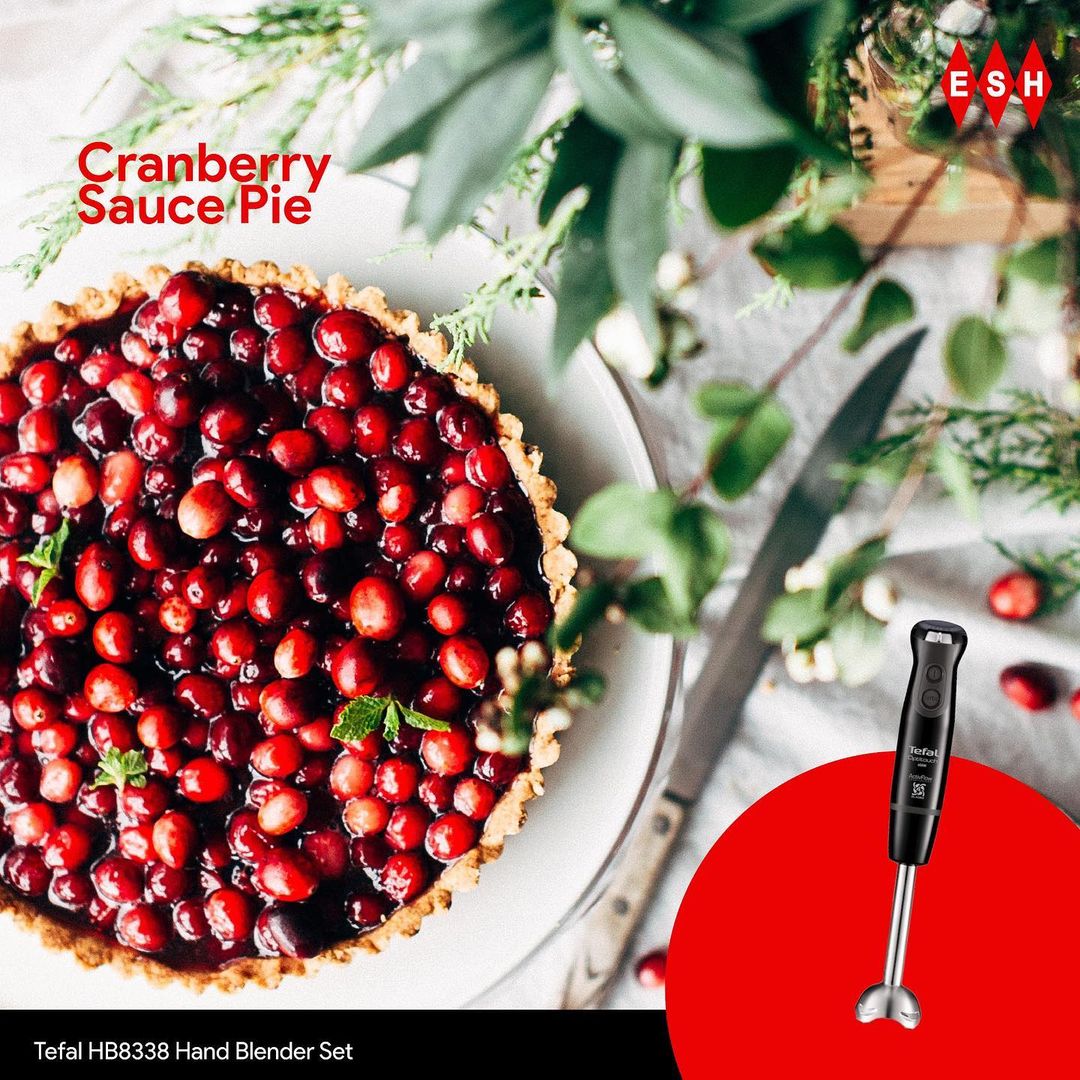
Simplify Your Holiday Meal Preparation with Tefal Kitchen Series


Get ready to create your Magical Christmas Meals with us! Spend this special time with your loved ones and stay safe at home.
Browse for all Tefal brand products at www.esh2u.com.


Get ready to create your Magical Christmas Meals with us! Spend this special time with your loved ones and stay safe at home.
Browse for all Tefal brand products at www.esh2u.com.
Keep your spirits high with the holiday cheer as we curate a guide for you to select the perfect Christmas gift.
There's always something for everyone at ESH. 🎁


There’s magic in the air at this time of year – It’s a time when we reunite with loved ones, a time to appreciate our families and cherish our friends. A time for spending precious moments together, sharing joy, laughter and holiday cheer.
In celebration of the seasonal spirit, we’ve curated an amazing range of Christmas gifts to help you create memorable experiences for your loved ones.
Shop now at https://www.esh2u.com/ to get your Christmas gifts.


Everything in your fridge probably has its place. We don’t just fit everything in and hope that nothing falls out when we open the door. Instead, we place them on certain shelves even if we do have to be creative with space sometimes. We’ve been taught that food needs to go in a certain order when it comes to the fridge and this is why we do it. But what if you’ve been organizing your fridge wrong for your whole life?
Indeed, sometimes we put food on certain shelves that could be reducing its shelf life. So the way you’re storing things in your fridge might be partially responsible for the amount of food that you throw away. This is why you should be careful storing your food so that you can actually cook it using your brand new Expertise pots and pans gifted by your mother in law last Ramadan.
So what are we storing incorrectly in our fridges?
Milk
Everyone knows that milk goes in the fridge door, right? Wrong! Storing your milk in the door of your fridge is the wrong place because the door is the warmest part of the fridge. Your milk needs to be kept nice and cold or you will end up accidentally drinking a slightly sour cup of coffee in the morning before the expiry date has been reached. Just store your milk on the middle shelf of your fridge and it will stay fresh for longer.
Cheese
Like milk, we might keep cheese in the little compartments in the fridge door. However, cheese should be kept as cold as possible so place your hard cheeses on the middle shelf next to your milk. And remember, fresh cheese means delicious mac n cheese for dinner so it should not be spoiled! The same goes for yogurts and eggs, so keep this shelf as a primarily dairy shelf. However, butter and soft cheeses can go in the fridge door as this will stop them from going too hard.
Raw meat
If you’re storing your raw meat and fish on the bottom shelf of your fridge, you’re right. This is the best and coldest part of the fridge, so no risk of juices dripping onto other food, which causes dangerous contamination. It is also important to package it all up so it’s totally sealed so it will stay edible for longer.
Pre-cooked foods
Any that is already cooked such as chicken kabsa leftovers should stay on the top shelf of your fridge. This shelf has the most consistent temperature, which ensures that bacteria does not grow too quickly.
Now that you know where everything should be going in your fridge, it’s time to get rearranging!
This article is brought to you by Tefal.
Learn more: https://www.esh2u.com/apps/omega-search/?type=product&q=refrigerator
If you’re considering to upgrade your TV anytime soon, this post is for you. 😊 Hope the tips help with your next purchase!


Browse for your ideal TV at www.esh2u.com
Learn more: https://www.esh2u.com/collections/tv-television-smart-android-hd-uhd-4k
These days, light roast coffee is experiencing a surge in popularity. So what’s changed in the coffee-drinking world?
Well, a lot, but let’s begin with the different shades of coffee roasts. There is a real distinction between light, medium and dark roast coffee, and we’re talking about more than just the colour of the coffee beans when they are removed from the roaster.
We sat down (over coffee, of course,) with some of the most passionate coffee connoisseurs to shed some light on everything you need to know about coffee bean roasts. Hint: The difference lies in the taste too, not just the amount of caffeine kick.
Light Roast Coffee

Light roast, easily identified by its light brown colour, gives off a more pronounced acidic flavour while retaining the origin of the coffee bean. Photo from Hal Gatewood.
Let’s start with the lighter side of the spectrum. Have you ever had a cup of coffee that was so bitter, it took a while to finish it? If you find yourself enjoying coffee with a sweeter, more tangy taste, light roast coffee is your go-to order.
Why Does My Coffee Taste Bitter and How Do I Fix It?
When coffee cherries are picked, the beans are soft, green in colour and tasteless before they are roasted to bring out the aroma and flavour that we have come to know and love. Light roast coffee beans are roasted between 175-200°C to either just before or right at the first crack. Word has it that coffee roasters in the 80s realised when high-quality beans are roasted for a shorter time, more complex flavours are unlocked. Many like light roasts for their milder taste — it is less bitter, though more acidic to the tongue. Having been exposed to heat for a shorter time, the beans offer some delicately nuanced flavours, retaining much of the original taste imbued from the soil they have been grown in. A cup of light roast coffee reveals traces of sweetness and fruity undertones, often with a subtle floral aroma.
Medium Roast Coffee

Medium roast is generally preferred by most coffee drinkers because of its balanced flavour profile — delicately nuanced flavours, highly aromatic and likely to be sweet. Photo from Nathan Dumlao. Next, the medium roast coffee, an all-rounder in the coffee roasting realm. Coffee beans are roasted a little longer than the light roast until the colour turns a slightly darker shade of brown. Medium roasts are typically exposed to temperatures between 200-220°C, roasted to the end of the first crack or the beginning of the second. These coffee beans offer a multilayered complexity in taste. While many of the coffee’s original flavours are preserved, the beans are also roasted until they begin to reach a deep caramel sweetness. As a result, your cup of medium roast coffee is most likely to be sweet in flavour with prominent notes of fruit, chocolate and caramel, highly aromatic and less acidic. For those who prefer a more balanced flavour profile, you can’t go wrong with a medium roast.
Dark Roast Coffee

Dark roast, as you may have guessed, is the darkest in colour. The beans may also appear shiny to the eye and oily to touch. Photo from Jakub Kapusnak.
Traditionally, dark roast is used to mask defective or lower grade coffee beans. They are roasted to a point where one is no longer able to taste any of the discerning qualities. Lately though, coffee roasters are no longer roasting away the bad flavours, but creating dark roasts to bring out the deeper and darker yet pleasant notes in coffee beans. The dark roast happens roughly at the end of the second crack or slightly beyond, reaching a little over 230°C. At this stage, the coffee’s original flavours (bright tones) are typically overshadowed by the roasting qualities, which are bold and rich in body and texture as well as a hallmark aroma familiar to most. The right dark roast sometimes reveals a decadent dark chocolatey flavour or toasted pine. It’s hard to miss dark roast; the dark shiny appearance from the oily beans will give away the roast.
Which Roast has the Most Caffeine?

It’s important to know which roast level you prefer because it determines how much flavour is in your cup of coffee. Photo from Victor Munoz.
A dark, richer roast sounds like it leads to stronger coffee, right?
The answer is no. Or not really.
Caffeine content remains pretty much stable at each stage of the roasting process. So fret not; be it light, medium or dark roast, it will all get you equally caffeinated.
How Your Coffee Brewing Methods Affect Caffeine Extraction?
However, the density of the bean does change; beans that are roasted longer are less dense. If you measure your coffee by scoops, light roasts technically have more caffeine. If you weigh out your scoops, darker roasts will have more caffeine, because there is less mass. Now that you’ve got the coffee beans roasted just the way you like it, make sure you get the best coffee you can with them. Start with the Prima Donna coffee machine, or choose the right gadgets that will take your coffee drinking experience to the next level.
This article is brought to you by PrimaDonna Elite Experience.
Learn more: https://www.esh2u.com/collections/coffee-machine-maker


In a world where hustle culture prevails and to-do lists reign, we often overlook sleep. Sleep, or lack thereof, could affect your mood, relationships, job performance, and your immune system. It could make a positive difference to your overall health and well-being - if done right. Adults need an average of seven to nine hours sleep daily. Besides getting sufficient sleep, the quality or uninterrupted sleep, is also crucial for good quality rest and to recharge our body. So it’s imperative to fall asleep faster and stay asleep longer.To succeed, studies show that all it takes is to set the mood like the right lighting, temperature, timing, and good air quality — things that could be achieved through simple habit changes. But acquiring clean air is not as easy. Pollutants indoors are more concentrated than outdoors due to the lack of ventilation, and pathogens emitted from machines and cleaning supplies. Breathing this air over long period may disrupt your sleep with incessant coughing, and sometimes may cause serious respiratory problems. Try to keep those snores in check and get a good night’s rest with these tips:
Defeat dust
Keep your bedroom free of any invisible pollutants floating in your home such as dust, pet dander, mould, and smoke particles to prevent blocked airways, especially during the Rapid Eye Movement (REM) stages of your sleep. This is where breathing deepens and cognitive abilities are improved. Rest easy with the UltimateHome 500 Air Purifier’s five-step filtration system that thoroughly captures these along with odours and other harmful airborne substances. Its UV light layer also removes 99.99% of bacteria so you’re ensured a continuous and healthier sleep.
Keep air moving
A well-ventilated room helps you sleep faster, and it can also positively impact your next-day performance, a study suggested, so it’s recommended to keep a window open while you get some shuteye. Let the UltimateHome 500 do the job so you avoid uncomfortable drafts or outside pollutants. Its spiral outlet creates a robust whirl to efficiently distribute clean, filtered air in your room.
No noise allowed
Not only can noise keep you from falling asleep, it can also prevent you from getting quality snooze. The sounds that don’t wake you can still shift your sleep stage to a lighter one, resulting in a fragmented sleep pattern, irritability, and poorer mental state the next day. While we can’t fully eliminate noise, using earplugs and turning off electronics are a great start. Investing in appliances that produce less sound can also help, like the UltimateHome 500, you can set to Sleep Mode for a barely noticeable hum even at maximum speed.
Build an evening routine
Before turning in for bed, slowly wind down to condition your mind that it’s time for rest. This may include a shower, skincare, or reading a book. Whatever gets you sleepy quicker, the better.
Include activating your UltimateHome 500 in your routine since its intuitive touch user interface makes it easier for you to adjust the air quality to your liking. With a few taps, you’re ready for bed.
Stay in bed
A continuous rest is best. You get the full benefits of sleep when you cycle through its different phases, and this requires a straight seven hours worth of bedtime. However, it can be halted when air quality levels fluctuate. And it can be a bummer to wake up in the middle of the night to manually adjust your fan. Trust in your UltimateHome 500 to do it for you. Its laser sensors evaluate air quality and automatically adjust fan speeds accordingly so you stay in bed longer, breathing cleaner air. Before following these tips, the first step to good sleep is knowing that you need it. Try making small lifestyle changes to prioritise it, like using the right technology, such as the UltimateHome 500, so you can easily and effectively rest — because sleep is for the wise, not the weak.
This article is brought to you by 2021 Electrolux.
Learn more: https://www.esh2u.com/apps/omega-search/?type=product&q=electrolux+air+puri
Wisdom teeth are the late bloomers in your mouth’s development. They tend to appear between the age of 17-21 (when you’re wiser) and sometimes need to be removed. Ironically, you might not have a lot of wisdom about your wisdom teeth. Many people wonder what they are, if theirs need to be removed and how they’ll know. We’ll clear things up with this beginner’s guide to wisdom teeth.
What are wisdom teeth?
Wisdom teeth are a pair of molars—your third set to be precise. Your first molars appear at around 6 or 7 years of age, followed by your second set at around 12-13 years of age. When you’re older, your third set of molars, and your final adult teeth, come through.
Signs your wisdom teeth have appeared
Healthy wisdom teeth are there to help you chew and although you might feel a little discomfort at first, some people don’t even notice they’ve come through. Sometimes wisdom teeth come through in the wrong position, or don’t have enough space (also known as impacted) and this can have a few roll-on effects for the rest of your mouth.Impacted wisdom teeth can cause overcrowding, making it more difficult to clean between your teeth and causing plaque to build-up. When plaque is left unchecked it can lead to things like decay, bad breath and gum disease. Sometimes the pressure of impacted wisdom teeth can also cause cysts to form, damaging the bones and roots of neighboring teeth. Although impacted wisdom teeth don’t always cause pain, you might notice jaw pain, red or swollen gums, or have difficult opening your mouth.
When to remove your wisdom teeth
There are no hard and fast rules when it comes to removing wisdom teeth. It generally comes down to what’s best for you and your oral health. As your wisdom teeth come through, your dentist will check whether they’re growing in the correct position and the effect they’re having on the rest of your mouth.
Your dentist will consider removing your wisdom teeth if they are causing:
One final note on removing wisdom teeth. Sometimes wisdom teeth are also removed as a preventative measure. So even if there aren’t any visible signs of damage, your dentist might still recommend removing them to avoid trouble in the future.
Monitoring your wisdom teeth
Regular check-ups are a chance for your dentist to keep an eye on any remaining wisdom teeth and make sure there are no signs of damage or decay. In between visits, you can look after them by making sure you clean between your teeth every day and brush for at least two minutes, twice daily.
Here’s to becoming wiser.
We put together this article to help you better understand your oral health. It’s not intended as a replacement for professional advice. If you have any additional questions, it’s best to check in with your dentist or another oral healthcare professional. They’ll be able to give you more detailed guidance, or diagnose and treat you.
This article is brought to you by Philips USA.
Learn more: https://www.esh2u.com/apps/omega-search/?type=product&q=philips+toothbrush